

ENT Surgery in India - Patient 1
ENT (Ear, Nose, Throat) Treatment in India
Cochlear implant, sinus, throat and head-and-neck surgery.
From$12,000
Stay2-3 days in hospital for most procedures SuccessExcellent in children implanted before age 3 Procedures8
Opinion in24 hours
Top doctors
for ENT (Ear, Nose, Throat)Senior specialists who perform these cases weekly, not occasionally.
- 20+ years of practice
- Written second opinion first
Top hospitals
for ENT (Ear, Nose, Throat)Accredited hospitals with the case volume this treatment actually requires.
- JCI and NABH accredited
- International patient desk
Patient stories
Patients who travelled to India, in their own words.
ENT Surgery in India - Patient 2
ENT Surgery in India - Patient 3
The short answer
ENT surgery in India costs USD 1,200 to USD 22,000 depending on the procedure. A cochlear implant including the device is USD 14,000 to USD 22,000, against USD 60,000 to USD 100,000 in the United States. Most sinus and throat procedures need only two to three days in hospital.
Why patients travel to India for this
Cochlear implants at a third the price
Same global manufacturers, with mapping and speech therapy included in the package.
Short stays
Most ENT procedures are two to three days, so the trip stays affordable.
Head and neck reconstruction
Cancer surgery with reconstruction completed in one admission.
Paediatric ENT experience
High volumes of childhood implants and adenotonsillar surgery.
About ENT (Ear, Nose, Throat) in India
Quick answer
ENT surgery in India covers the full range of ear, nose and throat conditions, including cochlear implants for severe hearing loss, thyroidectomy and tonsillectomy, endoscopic sinus surgery for chronic sinusitis, laryngology procedures for voice disorders such as vocal cord masses, polyps and cysts, and mastoidectomy for chronic ear infection and cholesteatoma. Nobel Medi Assistance connects you with the best ENT hospitals in India and senior ENT doctors in India at JCI and NABH accredited centres, arranges a free second opinion and a written cost estimate, and supports Indian and international patients from diagnosis through full recovery. For a free case review, contact our team.
Delhi and the wider NCR region hold one of the highest concentrations of ENT specialists in the country, spread across Gurugram, Saket, Dwarka, and central Delhi. The best ENT hospitals in India run dedicated cochlear implant programmes, modern audiology and speech therapy units, image guided endoscopic sinus surgery, and head and neck surgery teams that handle everything from a simple tonsillectomy to complex thyroid cancer. The ENT doctors in India who work inside these systems have each performed thousands of ear, nose and throat surgeries, across children and adults alike. This guide walks you through every major area of ENT surgery in India, what each procedure involves, indicative costs, the leading ENT hospitals in India, the ENT doctors in India we work with, and how Nobel Medi Assistance plans the whole journey for you.
Why India
Why Patients Choose India for ENT Surgery
High surgical volume, dedicated hearing and voice programmes, and rehabilitation that continues long after discharge.
01
Established Cochlear Implant Programmes
Several leading hospitals in India have been running cochlear implant surgery since the early 2000s, with full time audiologists and speech therapists who manage the mapping and rehabilitation that comes after the operation itself.
02
High Volume Head and Neck Surgeons
The ENT doctors in India who handle thyroidectomy, tonsillectomy and complex sinus disease do these operations every week, which matters because nerve preserving precision is what separates a routine recovery from a complication.
03
Endoscopic and Voice Sparing Technique
Endoscopic sinus surgery and microlaryngeal voice surgery are done through the nose and mouth with no external cuts in the large majority of cases, so patients go home faster and heal with minimal scarring.
ENT is a specialty where a problem that seems small, a blocked nose, a hoarse voice, a child who does not respond when called, can quietly reshape a person's whole life if it is not addressed properly. What separates a good outcome from a mediocre one in ear, nose and throat surgery is almost always the same three things: an accurate diagnosis, a surgeon who does that exact procedure often, and a rehabilitation plan that is built into the treatment from day one rather than added as an afterthought. This is exactly why ENT surgery in India has become such a trusted choice for families across India and for international patients as well.
Technology plays a real part in modern ENT care. Cochlear implants have moved from an experimental option to a mainstream treatment for children born with severe hearing loss and for adults who no longer benefit from hearing aids, and the internal device is designed to work for a lifetime. Endoscopic sinus surgery uses a thin camera passed through the nostril, so a problem that once needed an external incision across the face is now solved through the natural passages of the nose. Microlaryngoscopy lets a laryngologist examine and treat a vocal cord polyp, cyst, or mass under high magnification through the mouth, without a single external cut. Robotic and endoscopic thyroid surgery is available for patients who want to avoid a visible neck scar. Alongside the technology sit modern implants, video assisted equipment, and nerve monitoring systems during thyroid and parotid surgery that protect the nerves controlling the voice and the face.
Volume is the second reason patients choose India, and it matters more in ENT than most people realise. A surgeon who performs five mastoidectomies a month sees far more variation in ear anatomy than one who performs five a year, and that experience is what keeps hearing intact after surgery for chronic ear infection. Many ENT doctors in India carry twenty years or more of practice and thousands of surgeries behind them, across cochlear implantation, thyroid and neck surgery, sinus disease, and voice disorders. Affordability is the third reason. ENT surgery in India typically costs a fraction of the same operation in the United States, the United Kingdom, or the Gulf, using the same imported implants, endoscopes, and monitoring equipment. For international families we add visa support, airport pickup, interpreters, and accommodation, and Nobel Medi Assistance never marks up hospital pricing. View profiles for the best ENT doctors in India.
Treatments We Cover
ENT Treatments We Cover in India
Cochlear implants, thyroidectomy and tonsillectomy, endoscopic sinus surgery, laryngology and voice disorder treatment, and mastoidectomy make up most ENT surgery in India.
1. Cochlear Implant Surgery in India
A cochlear implant is one of the genuine success stories of modern medicine, because unlike a hearing aid that simply amplifies sound, it bypasses the damaged inner ear entirely and sends electrical signals straight to the hearing nerve. Children born with severe to profound hearing loss who show no meaningful improvement after a proper hearing aid trial are the classic candidates, and the evidence is clear that implantation before around eighteen months to three years gives the strongest speech and language outcomes. Adults who have lost hearing later in life, and patients with single sided deafness where one ear works normally and the other has profound loss, also benefit substantially. The surgery itself, placing the internal receiver under the skin behind the ear and threading a fine electrode array into the cochlea, usually takes two to three hours and involves an overnight or two day hospital stay. What genuinely determines the result is not the operation alone but everything that follows: the device is switched on around three to four weeks later, and then comes a long programme of mapping sessions and auditory verbal therapy so the brain learns to interpret the new electrical signal as sound and, eventually, speech. India is home to some of the world's oldest and highest volume cochlear implant programmes, with dedicated audiology and speech therapy teams who manage this rehabilitation phase properly rather than treating the surgery as the finish line. Bilateral implantation, doing both ears, is increasingly offered to young children for better sound localisation. Government schemes and hospital led funding options exist for eligible Indian families, and our coordinators can help you understand what applies to your case. Learn more from our ENT and hearing specialists.
2. Thyroidectomy (Thyroid Surgery) and Tonsillectomy in India
Thyroidectomy and tonsillectomy sit at opposite ends of the ENT surgical spectrum, one dealing with a gland deep in the neck and the other with tissue at the back of the throat, yet both are among the most commonly performed operations in India. Thyroid surgery becomes necessary for a large or growing goitre that presses on the windpipe or swallowing, for nodules suspicious of cancer on biopsy, for overactive thyroid that has not responded to medication, and for confirmed thyroid cancer, where the whole gland or one lobe is removed depending on the extent of disease. The single biggest concern for any patient facing thyroid surgery is the two thin recurrent laryngeal nerves that control the voice, running directly behind the gland, which is exactly why nerve monitoring during surgery and a genuinely high volume thyroid surgeon matter so much. Minimally invasive and endoscopic approaches that avoid a long visible scar are available for suitable cases. Tonsillectomy, removal of the tonsils, is most often done for children and adults with recurrent tonsillitis, several infections a year that disrupt school or work, or for tonsils so enlarged they cause obstructive sleep apnoea and disturbed breathing at night. It is frequently combined with adenoidectomy in children. Modern coblation and radiofrequency techniques cause less bleeding and a notably quicker, less painful recovery than the older cold steel method. Thyroidectomy and tonsillectomy in India are supported by pathology labs that give same day or next day biopsy results, which matters enormously when a thyroid nodule needs an urgent answer. For suspected thyroid cancer, see our onco surgeons and cancer treatment in India pages.
3. Endoscopic Sinus Surgery in India
Chronic sinusitis is one of the most underestimated conditions in medicine, because a nose that is permanently blocked, a constant post nasal drip, recurring headaches, and a fading sense of smell are dismissed for years as just a stubborn cold. When nasal sprays, steroids, and repeated courses of antibiotics have genuinely failed, or when a CT scan shows nasal polyps or a structural blockage, functional endoscopic sinus surgery, commonly called FESS, is the answer. A thin rigid endoscope is passed through the nostril, so the surgeon works entirely through the natural passages of the nose with no external incision at all, widening the drainage pathways of the sinuses and removing polyps or diseased tissue under direct magnified vision. It is frequently combined with septoplasty to straighten a deviated nasal septum when that is contributing to the blockage, and image guided navigation systems, similar in principle to GPS, are used in complex or revision cases to keep the surgeon safely away from the eye and the base of the skull. Balloon sinuplasty is a gentler alternative for suitable patients, using a small balloon to widen the sinus opening without removing any tissue. Recovery is genuinely fast: most patients are back to desk work within a week, though the full benefit on smell and breathing continues improving over several months as the lining heals. Endoscopic sinus surgery in India is one of the most frequently performed ENT operations in the region, and we already have a dedicated page on functional endoscopic sinus surgery with septoplasty in India.
4. Laryngology and Voice Disorder Treatment (Mass, Polyps, or Cysts) in India
A voice that has stayed hoarse for more than two to three weeks is never something to simply wait out, because that single symptom can mean anything from a benign vocal cord polyp caused by shouting or singing, to nodules from chronic voice strain, to a cyst, to, less commonly but importantly, a growth that needs urgent attention. Laryngology is the ENT subspecialty devoted entirely to the voice box, and it starts with videostroboscopy, a specialised camera examination that slows down the vibration of the vocal cords so the surgeon can see exactly where a mass, polyp, or cyst sits and how it is affecting closure. Many voice problems, especially nodules caused by vocal misuse, genuinely improve with structured voice therapy under a speech language pathologist rather than surgery at all, and a good laryngologist will say so plainly. When surgery is needed, microlaryngeal surgery is performed through the mouth under a microscope with no external incision, using extremely fine instruments to remove only the abnormal tissue while preserving the delicate vibrating layer of the vocal cord, because even a small amount of unnecessary damage there can permanently change the quality of a voice. Vocal cord paralysis, where one or both cords stop moving properly after thyroid surgery, a viral illness, or a neurological cause, is managed with injection augmentation or laryngeal framework surgery to restore closure and voice quality. Singers, teachers, lawyers, and anyone whose livelihood depends on their voice are exactly the patients who benefit most from a dedicated laryngology team rather than a general ENT clinic. Laryngology and voice disorder treatment in India pairs experienced surgeons with in house voice therapists for this full arc of care.
5. Mastoidectomy in India
The mastoid is the honeycombed bone just behind the ear, and when a chronic middle ear infection or a slow growing skin cyst called a cholesteatoma spreads into it, the infection stops being a simple ear problem and starts threatening hearing, balance, and in rare untreated cases even the covering of the brain nearby. Mastoidectomy is the operation that clears this infected or diseased bone and tissue, and it comes in a few forms depending on how far the disease has spread. A canal wall up mastoidectomy preserves the natural ear canal wall and is preferred whenever it is safely possible, while a canal wall down mastoidectomy is used for more extensive cholesteatoma and creates an open, easy to clean cavity at the cost of some canal wall bone. Where the hearing bones themselves have been eroded by chronic infection, the surgeon also performs a tympanoplasty and ossiculoplasty in the same sitting, reconstructing the eardrum and the tiny chain of bones that transmit sound, to recover as much hearing as the disease has left intact. The operation is done under an operating microscope through an incision behind the ear, usually needs a one to two day hospital stay, and the single most important message for any family facing a cholesteatoma is that this disease keeps growing if it is left alone, so delay is rarely the safer option. Recovery includes keeping the ear dry for several weeks and a schedule of follow up visits to check healing and hearing. We already run a dedicated page for mastoidectomy treatment in India with further detail on technique and recovery.
Beyond these five, our network covers the full breadth of ENT surgery in India, including septoplasty for a deviated nasal septum, adenoidectomy in children, parotid gland surgery for tumours of the salivary gland, head and neck cancer surgery, sleep apnoea surgery, ear reconstruction, and paediatric ENT care. For salivary gland tumours, see our dedicated pages on parotidectomy surgery in India, pleomorphic adenoma treatment, and parotid tumour treatment in India.
Conditions Treated
Ear, Nose and Throat Conditions Treated in India
The ENT hospitals in India we work with manage the full spectrum of hearing, sinus, throat, and head and neck conditions.
Severe hearing loss
Chronic sinusitis
Nasal polyps
Deviated nasal septum
Thyroid nodules and goitre
Thyroid cancer
Recurrent tonsillitis
Sleep apnoea
Vocal cord polyps and cysts
Vocal cord paralysis
Chronic ear infection
Cholesteatoma
Salivary gland tumours
Adenoid enlargement
Ear drum perforation
Head and neck tumours
Why Nobel Medi Assistance
Why Families Choose Nobel Medi Assistance
Plenty of companies promise to arrange treatment. What sets us apart for ENT surgery in India is the depth of support and a track record you can check.
Subspecialty Match
Your exact ENT problem routed to the surgeon who treats it most often
100+
Partner hospitals, matched to your case not the priciest
48 hrs
Free second opinion from a senior ENT surgeon
Rehab Included
Audiology, voice therapy, visa, stay, and follow-up after you fly home
0 Markup
Implant or device brand named upfront, no hidden facilitator fees
See real outcomes and stories on our patient testimonials page, and learn more about us and how we work.
How It Works
How the Process Works
Arranging ENT surgery in India involves far more than booking an operation. As a medical assistance company based in Delhi, we manage the whole path:
1
Free Case Review
Share your audiogram, CT scan, or biopsy report and we get a senior ENT surgeon's opinion within 48 hours.
2
Cost & Device Options
You receive a clear, itemised estimate with the implant or device brand named, across two or three matched hospitals.
3
Travel & Visa Help
For international patients, we assist with the medical visa invitation, flights, and stay near the hospital.
4
Admission & Surgery
Airport pickup, a dedicated coordinator, interpreter support, and a smooth admission.
5
Rehab & Follow-up
Audiology mapping, voice therapy, teleconsults after you fly home, and help with any follow-up.
This end-to-end support is what makes ENT surgery in India feel manageable rather than overwhelming, whether you are travelling from within the region or from another country.
Tests Done Before ENT Surgery in India
Before any ENT surgery in India, the team confirms exactly what is damaged and plans around it. A pure tone audiogram and speech discrimination test are the starting point for anyone being evaluated for a cochlear implant, alongside an MRI or CT of the inner ear to confirm the auditory nerve is intact. A CT scan of the sinuses maps the extent of disease before endoscopic sinus surgery, while a CT or MRI of the neck and an ultrasound guided FNAC biopsy are essential before thyroidectomy to know whether a nodule is benign or cancerous. Videostroboscopy is the key test before any voice or laryngology surgery, showing the surgeon exactly how the vocal cords vibrate and close. A high resolution CT of the temporal bone maps the spread of disease before mastoidectomy for cholesteatoma. Routine bloods, a thyroid function test where relevant, and a pre-anaesthetic workup clear you for surgery. Getting this right is the foundation of a safe outcome, and our coordinators make sure every scan the surgeon needs is ready before admission.
Pure tone audiogramCT scan sinus / temporal boneMRI inner earUltrasound & FNAC biopsyVideostroboscopyPre-anaesthetic workup
Recovery and Rehabilitation
In ENT surgery, the operation is often the shorter half of the treatment, and what follows is what actually decides the result. After a cochlear implant, the device is switched on around three to four weeks later, followed by months of mapping and auditory verbal therapy, with meaningful progress continuing for a year or more, especially in young children. Thyroidectomy and tonsillectomy patients are usually back to normal activity within one to two weeks, though voice rest and a soft diet matter in the first days after tonsillectomy. Endoscopic sinus surgery has a genuinely fast recovery, often a week for desk work, though full improvement in smell and breathing can take a few months as the nasal lining heals. Laryngology and voice surgery patients typically need a period of relative voice rest followed by structured voice therapy to protect the healing vocal cord. Mastoidectomy needs the ear kept dry for several weeks with scheduled follow up to check healing and hearing. Nobel Medi Assistance builds this rehabilitation into the plan rather than treating it as an afterthought, and for international patients we confirm you are fit to fly before you leave.
Cochlear implant mappingVoice therapySoft diet & voice restDry ear precautionsTeleconsult follow-upFit-to-fly check
Frequently Asked Questions
Questions? We Have Answers
Scroll within the panel below for all 10 questions on ENT surgery in India.
A single ear cochlear implant, including the device, surgery, and initial rehabilitation, runs about ₹9,00,000 to ₹16,00,000, while a bilateral procedure costs ₹16,00,000 to ₹28,00,000. The device brand and model make up a large share of that cost, so always ask which one is quoted. We provide an exact estimate after reviewing your audiogram and scans.
Implantation is commonly done from six to twelve months of age once severe to profound hearing loss is confirmed and a proper hearing aid trial has failed. Earlier implantation, generally before eighteen months to three years, gives the strongest speech and language outcomes, though older children and adults benefit significantly too.
The recurrent laryngeal nerves that control the voice run directly behind the thyroid gland, which is why an experienced, high volume thyroid surgeon and intraoperative nerve monitoring matter so much. In the hands of a skilled surgeon, permanent voice change is uncommon, though mild temporary hoarseness for a few weeks is normal after surgery.
Tonsillectomy is safe and commonly performed in adults, most often for recurrent tonsillitis several times a year or for tonsils large enough to cause obstructive sleep apnoea. Adult recovery is generally a little slower than in children, with throat discomfort lasting up to two weeks.
Many cases of sinusitis settle with nasal sprays, saline rinses, and a proper course of medical treatment, and a good ENT surgeon will say so. Endoscopic sinus surgery becomes the clear answer when nasal polyps are present, when a CT scan shows persistent blockage, or when medical treatment has genuinely failed over several months. Our free second opinion exists precisely so you can find out whether you are being offered surgery you do not need yet.
Hoarseness lasting more than two to three weeks should always be examined by an ENT specialist with videostroboscopy, which shows exactly what is happening on the vocal cords. Many causes, including nodules from voice strain, improve with voice therapy alone, while a polyp, cyst, or mass may need microlaryngeal surgery. Getting an early, accurate diagnosis is the most important step.
A cholesteatoma is a slow growing skin cyst in the middle ear and mastoid that does not resolve on its own and keeps eroding surrounding bone over time. Left untreated it can destroy the hearing bones, damage the balance organ, and in rare advanced cases spread toward the covering of the brain. Mastoidectomy is the definitive treatment, and earlier surgery generally means less bone and hearing is lost.
Most patients stay in hospital for one to two days and are back to normal daily activity within one to two weeks, though the ear must be kept completely dry for several weeks while it heals. Full assessment of hearing improvement, especially if the hearing bones were reconstructed, usually happens at a follow up visit six to eight weeks after surgery.
Yes. Nobel Medi Assistance supports patients from across Africa, the Middle East, and Central Asia with medical visa help, hospital selection, cost estimates, interpreters, and complete travel coordination. You will typically need a valid passport, your existing audiogram and scans, and a medical visa, for which we issue an official invitation letter once your plan is confirmed.
Simply send us your audiogram, CT scan, or biopsy report. You will get a free second opinion from a senior ENT surgeon, an itemised cost estimate with the implant or device named, and a shortlist of matched ENT hospitals in India and doctors, with no obligation.
Scroll for more questions
Talk to Us About Your Treatment
Whether you need a cochlear implant, thyroidectomy and tonsillectomy, endoscopic sinus surgery, laryngology and voice disorder treatment, or mastoidectomy, Nobel Medi Assistance connects you with the right surgeon and hospital for affordable, safe ENT surgery in India. Share your case today and let us handle the rest.
Indicative costs
| Procedure | Cost from (USD) | Details |
|---|---|---|
| Cochlear Implant Surgery | $12,000 | See breakdown → |
| Tonsillectomy | $1,200 | See breakdown → |
| Thyroidectomy (Total/Partial) | $2,500 | See breakdown → |
| Laryngology / Voice Disorder Treatment | $2,500 | See breakdown → |
| Mastoidectomy | $2,800 | See breakdown → |
| Rhinoplasty | $2,000 | See breakdown → |
| Tympanoplasty / Ear Drum Surgery | $1,800 | See breakdown → |
| Endoscopic Sinus Surgery | $2,000 | See breakdown → |
Estimates are indicative and all-inclusive for international patients. Your final cost is confirmed in writing after a specialist reviews your reports.
All procedures
Cochlear Implant Surgeryfrom $12,000
Tonsillectomyfrom $1,200
Thyroidectomy (Total/Partial)from $2,500
Laryngology / Voice Disorder Treatmentfrom $2,500
Mastoidectomyfrom $2,800
Rhinoplastyfrom $2,000
Tympanoplasty / Ear Drum Surgeryfrom $1,800
Endoscopic Sinus Surgeryfrom $2,000
No procedure matches that. Send us your reports and we will tell you what applies.
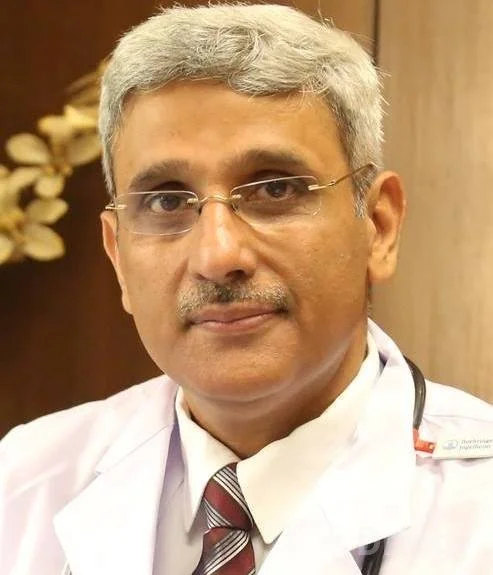
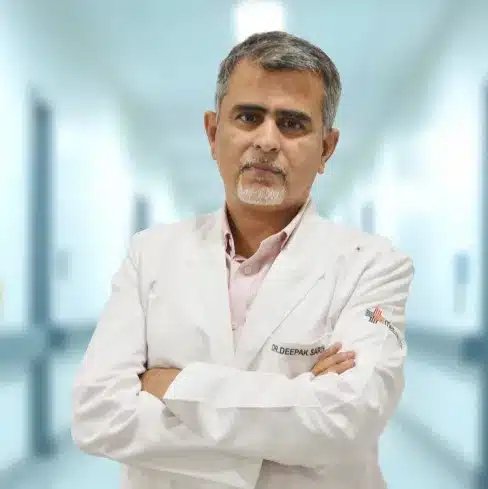
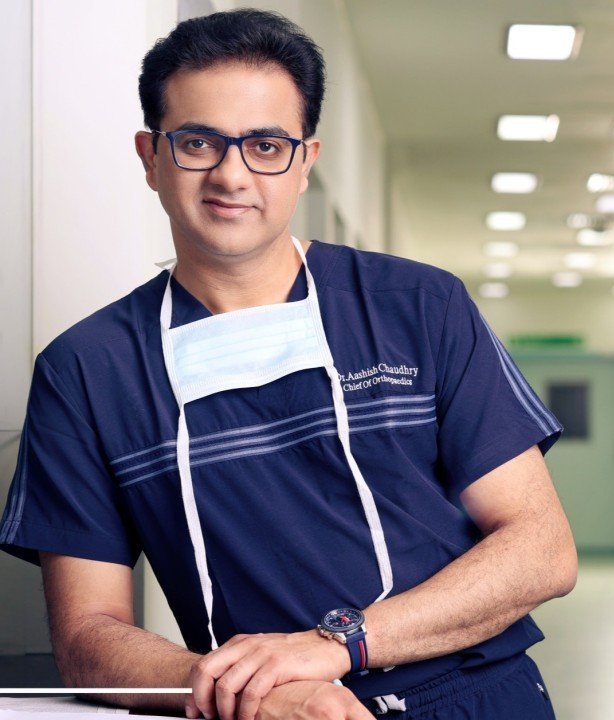
Specialists in ENT (Ear, Nose, Throat)
Senior consultants treating this condition at our partner hospitals.
Where ENT (Ear, Nose, Throat) is done
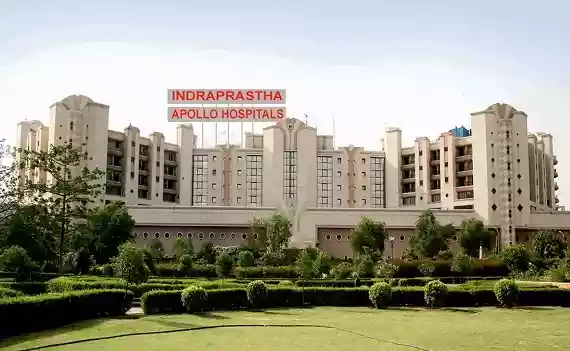
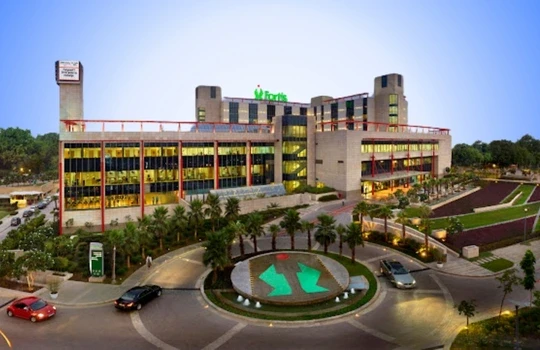
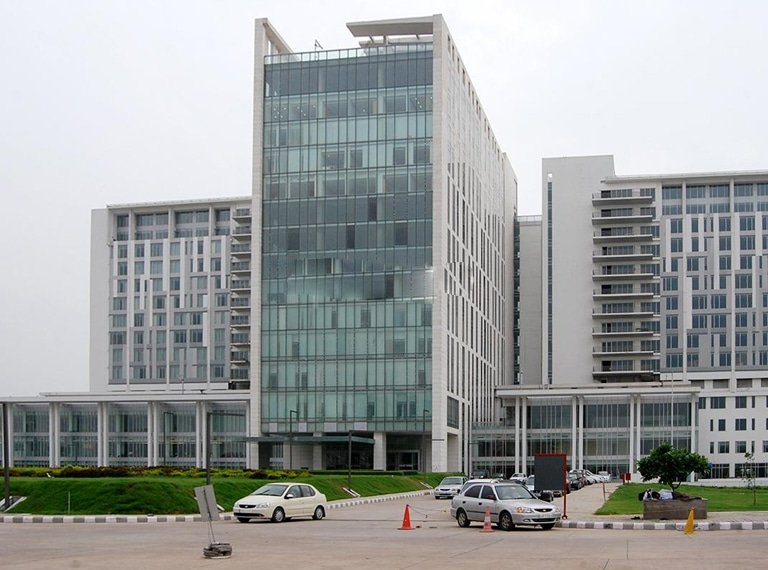
JCI and NABH accredited hospitals with dedicated international patient desks.

Frequently asked questions on ENT (Ear, Nose, Throat)
ENT surgery in India costs USD 1,200 to USD 22,000 depending on the procedure. The cost table on this page breaks it down by procedure. Your exact figure is confirmed in writing after a specialist reviews your reports.
2-3 days in hospital for most procedures. Add roughly a week beforehand for pre-operative workup and one to two weeks afterwards for review before you fly home.
That is decided by the treating specialist after reviewing your reports, not by us. Send your diagnosis, recent imaging and any pathology report, and you will receive a written opinion saying plainly whether the treatment is indicated.
Case volume matters more than reputation. A surgeon who performs your specific procedure weekly will generally give a better outcome than one who sees it a few times a year. When we suggest a specialist, we tell you how often they do it.
Every procedure carries risk, and it varies with your age, general health and how complex your case is. The written opinion states the specific risks for your situation, and you can ask the treating doctor directly in a video consultation before committing.
Yes, an Indian e-medical visa. We issue the hospital invitation letter free once your plan is confirmed. Up to two attendants can apply on linked visas, and one attendant bed is included in the estimate.
By card or in US dollars after arriving, or by transfer to the hospital's official account before travel. Payment always goes to the hospital, never to us.
Your discharge summary and medication plan travel with you, and we schedule online follow-up consultations with your treating doctor during recovery at no charge.
No. Our coordination is free to the patient and does not increase your hospital bill. Hospitals pay us a coordination fee out of their existing margin.
Question not answered here? Ask us directly — a case manager replies within 24 hours.
Find out what your treatment would cost
A senior specialist reviews your reports and sends a written plan within 24 hours. Free, with no obligation.