

Orthopedic & Joint Replacement Treatment in India
Knee and hip replacement, sports injury and complex trauma surgery.
Top doctors
for Orthopedic & Joint ReplacementSenior specialists who perform these cases weekly, not occasionally.
- 20+ years of practice
- Written second opinion first
Top hospitals
for Orthopedic & Joint ReplacementAccredited hospitals with the case volume this treatment actually requires.
- JCI and NABH accredited
- International patient desk
The short answer
Knee replacement in India costs USD 4,000 to USD 6,500 per knee and hip replacement USD 5,000 to USD 7,500, against USD 30,000 to USD 50,000 in the United States. Hospital stay is five to seven days, and physiotherapy starts the day after surgery.
Why patients travel to India for this
Imported implants from the same manufacturers used in the UK and Germany, at a fraction of the price.
Computer-navigated and robotic knee replacement available at selected centres.
Bilateral replacement in a single stay, which saves a second trip and a second recovery.
Guided rehabilitation with your surgeon's team after you return home, at no charge.
About Orthopedic & Joint Replacement in India
Orthopedic and joint replacement surgery in India covers the full range of bone, joint, and sports injury treatment, including knee, hip and shoulder replacement, arthroscopies, ACL and PCL reconstruction surgeries, bone fracture surgeries, and bone cancer surgeries. Nobel Medi Assistance connects you with the leading orthopedic hospitals in India and senior orthopedic doctors in India at JCI and NABH accredited centres, arranges a free second opinion and a written cost estimate, and supports Indian and international patients from diagnosis through rehabilitation. For a free case review, contact our team.
Delhi and the wider NCR region hold the deepest concentration of joint replacement expertise in India, and Gurugram in particular has become the country's hub for robotic surgery. The best orthopedic hospitals in India will run computer navigation or robotic-arm assisted arthroplasty, dedicated sports medicine and arthroscopy units, and structured physiotherapy from day one. The orthopedic doctors in India who work inside those systems have individually performed thousands of joint replacements. This guide walks you through every major area of joint replacement surgery in India, what each involves, indicative costs, the leading orthopedic hospitals in India, the joint replacement doctors in India we work with, and how Nobel Medi Assistance plans the whole journey for you.
Why Patients Choose India for Joint Replacement Surgery
Robotic precision, surgeons with enormous volume, and rehabilitation that actually happens.
Robotic and Navigated Joint Replacement
Gurugram and Delhi lead India in robotic-arm assisted and computer navigated arthroplasty, which improves implant alignment. Better alignment is what makes a knee or hip replacement last decades rather than years.
Extraordinary Surgical Volume
Several orthopedic doctors in India have personally performed more than ten thousand joint replacements. In arthroplasty, where implant positioning is measured in degrees, that repetition is exactly what protects your result.
Rehab Built In, Not Bolted On
A joint replacement is only as good as the physiotherapy that follows. The leading orthopedic hospitals in India start you walking within twenty-four hours and structure rehab from day one.
Orthopedics is the specialty where the gap between a good result and a mediocre one is least visible on paper and most obvious in daily life. Two patients can both have a technically successful knee replacement, and one climbs stairs comfortably for twenty years while the other never quite trusts the leg. What separates them is usually implant alignment, surgeon volume, and rehabilitation. This is why joint replacement surgery in India has become such a strong choice: the country combines robotic and computer navigated arthroplasty with surgeons who have done the operation more times than almost anyone, and it does so at a cost that does not force families to choose between mobility and savings.
Technology is the first reason, and in joint replacement it is not marketing. Robotic-arm assisted systems build a three-dimensional plan of your specific anatomy and hold the surgeon to it within a degree, which matters because malalignment is the single biggest predictor of early implant failure. Computer navigation achieves something similar without the robot. Gurugram has become India's centre of gravity for this, and several orthopedic hospitals in India now treat robotic knee replacement as routine rather than exceptional. Alongside that sit modern implants, cementless trabecular metal, and high-flexion designs suited to Indian patients who need to sit cross-legged and squat.
Volume is the second reason, and it is the one patients underrate. Ask any orthopedic surgeon how many of your specific operation they do a year, because the honest ones will tell you and the number matters. Many joint replacement doctors in India perform five hundred or more arthroplasties annually, and several have five figures behind them across a career. Affordability is the third reason. Orthopedic surgery in India typically runs at a fraction of Western costs using the same imported implants from the same manufacturers. For international families we add visa support, airport pickup, interpreters, and accommodation, and Nobel Medi Assistance never marks up hospital pricing. View profiles for the best orthopedic doctors in India.
Orthopedic Treatments We Cover in India
Knee, hip and shoulder replacement, arthroscopies, ACL and PCL reconstruction surgeries, bone fracture surgeries, and bone cancer surgeries make up most orthopedic surgery in India.
1. Knee, Hip and Shoulder Replacement in India
Joint replacement is one of the most successful operations in all of medicine, and the honest headline is that most patients wish they had done it sooner. In a total knee replacement the worn surfaces are resurfaced with metal and a high-grade plastic bearing, and where only one compartment is damaged a partial knee replacement preserves the rest of your own joint and ligaments, which feels more natural. Hip replacement is arguably the more transformative of the two, because a badly arthritic hip robs you of sleep and of putting on your own shoes, and patients are routinely walking the same day. Shoulder replacement is less commonly discussed but no less valuable, and for a torn rotator cuff that cannot be repaired, reverse shoulder replacement cleverly re-engineers the joint so the deltoid does the work instead. What has changed most is precision. Robotic-arm assisted and computer navigated systems plan the implant position against your own anatomy and hold the surgeon to it, which improves alignment and, with it, how long the implant lasts. Bilateral replacement, doing both knees or both hips in one sitting, is offered by several joint replacement doctors in India for suitable patients and halves the rehabilitation. Knee, hip and shoulder replacement in India uses the same imported implants as any Western centre, at a fraction of the price. Learn more from our orthopedic and joint replacement surgeons.
2. Arthroscopies in India
Arthroscopy is keyhole surgery for joints, and it is the reason a problem that once meant opening a knee now means two small puncture wounds and going home the same day. A camera the width of a pencil goes in through one portal, instruments through another, and the surgeon works from a magnified view on a screen. In the knee, arthroscopies handle meniscus tears, either trimming the torn fragment or, increasingly and preferably in younger patients, repairing it so the cushion is preserved. In the shoulder, arthroscopic rotator cuff repair, labral and SLAP repair, and treatment for recurrent dislocation are all routine. Hip arthroscopy addresses femoroacetabular impingement and labral tears in young active patients, which is technically demanding and needs a surgeon who does it often. Ankle and elbow arthroscopies round out the list. The advantage is not just cosmetic: less soft tissue trauma means less pain, far lower infection risk, and a return to sport in weeks rather than months. Arthroscopies in India are performed by dedicated sports medicine surgeons, and a good one will also tell you honestly when your meniscus tear is degenerative and physiotherapy will serve you better than a scope.
3. ACL and PCL Reconstruction Surgeries in India
The anterior cruciate ligament usually goes in a moment: a twist on a planted foot, a pop, and a knee that swells within an hour and never feels trustworthy again. Once torn, the ACL does not heal by itself, which is why reconstruction rather than repair is the standard. The surgeon builds a new ligament from a graft, most often your own hamstring tendons or a strip of patellar tendon, and threads it through tunnels drilled in the femur and tibia in the exact position the original occupied. Getting that position anatomically correct is the whole game, and it is what separates a knee that returns to sport from one that stays unstable. The PCL is the ACL's stronger counterpart at the back of the knee and tears less often, usually from a direct blow to the front of a bent knee such as a dashboard injury, and many isolated PCL injuries are managed without surgery. Where both are torn, or where the ACL is combined with meniscus and collateral ligament damage, you are in multi-ligament territory that demands a specialist. ACL and PCL reconstruction surgeries in India are done arthroscopically as day care or overnight stays, but the operation is only half the treatment. Recovery is a disciplined six to nine month rehabilitation programme, and patients who rush it are the ones who re-tear.
4. Bone Fracture Surgeries in India
Not every fracture needs surgery, and a good trauma surgeon will say so. A simple wrist or collarbone break often heals perfectly in a cast. Surgery becomes the answer when the bone is displaced, when it involves a joint surface, when it will not hold position, or when early movement matters more than immobilisation. The principle is open reduction and internal fixation: put the pieces back in anatomical position and hold them with plates, screws, or an intramedullary nail down the centre of a long bone. Hip fractures in elderly patients deserve special mention, because they are genuinely urgent. Every day of delay increases the risk of pneumonia, clots, and death, and the goal is to operate within forty-eight hours and get the patient standing the next day rather than lying in bed. Depending on the pattern, that means fixation with a nail or a partial hip replacement. Complex cases bring their own solutions, from external fixators in open injuries to limb reconstruction and lengthening for bone loss or non-union, and periarticular fractures around a joint need the same precision as arthroplasty. Bone fracture surgeries in India are covered around the clock by trauma teams such as those led by Dr. Ram Kinkar Jha at Artemis, and our coordinators can fast-track urgent admissions.
5. Bone Cancer Surgeries in India
Bone cancer is rare, it often strikes teenagers and young adults, and it is the one area on this page where getting to the right surgeon first genuinely decides the outcome. Osteosarcoma and Ewing sarcoma are the primary bone cancers most people have heard of, while secondary bone tumours, where cancer has spread to bone from the breast, lung, prostate, or kidney, are far more common. The single most important message is this: never let a suspected bone tumour be biopsied by a general surgeon. A biopsy placed through the wrong plane can contaminate tissue and turn a limb that could have been saved into an amputation, which is why the biopsy should be done by the same orthopedic oncology team that will perform the definitive surgery. The good news is that limb salvage has replaced amputation in the large majority of cases. After chemotherapy shrinks the tumour, the surgeon removes it with a wide margin and reconstructs the gap with a custom megaprosthesis, a bone graft, or in growing children an expandable implant that lengthens as they do. Bone cancer surgeries in India sit at the intersection of orthopedics and oncology, and are planned by a sarcoma tumour board rather than a single surgeon. See our onco surgeons and cancer treatment in India pages, and send us the reports before any biopsy is done.
Beyond these five, our network covers the full breadth of orthopedic surgery in India, including revision joint replacement, rotator cuff and shoulder instability surgery, hand and wrist surgery, foot and ankle correction, limb lengthening and deformity correction, cartilage restoration, and paediatric orthopedics. For spine problems, see our dedicated pages on spine surgeries, scoliosis surgery, and the best spine doctors in India.
Bone and Joint Conditions Treated in India
The orthopedic hospitals in India we work with manage the full spectrum of bone, joint, and sports injuries.
Why Families Choose Nobel Medi Assistance
Plenty of companies promise to arrange treatment. What sets us apart for joint replacement surgery in India is the depth of support and a track record you can check.
Your exact operation routed to the surgeon who performs it most often
Partner hospitals, matched to your case not the priciest
Free second opinion from a senior orthopedic surgeon
Visa, stay, physiotherapy, and follow-up after you fly home
Implant brand named upfront, no hidden facilitator fees
See real outcomes and stories on our patient testimonials page, and learn more about us and how we work.
How the Process Works
Arranging orthopedic surgery in India involves far more than booking an operation. As a medical assistance company based in Delhi, we manage the whole path:
Free Case Review
Share your X-rays, MRI, or other reports and we get a senior orthopedic surgeon's opinion within 48 hours.
Cost & Implant Options
You receive a clear, itemised estimate with the implant brand named, across two or three matched hospitals.
Travel & Visa Help
For international patients, we assist with the medical visa invitation, flights, and stay near the hospital.
Admission & Surgery
Airport pickup, a dedicated coordinator, interpreter support, and a smooth admission.
Physiotherapy & Rehab
Structured physiotherapy, teleconsults after you fly home, and help with any follow-up.
This end-to-end support is what makes orthopedic surgery in India feel manageable rather than overwhelming, whether you are travelling from within the region or from another country.
Tests Done Before Orthopedic Surgery in India
Before any orthopedic surgery in India, the team confirms exactly what is damaged and plans around it. Weight-bearing X-rays are the foundation in arthritis, because a knee can look far worse standing than lying down, and they are also what the surgeon templates the implant from. MRI is the test for soft tissue, so it is essential for ACL and PCL reconstruction surgeries, meniscus and rotator cuff tears, and any suspected bone tumour, where it maps the extent before a single cut is made. CT adds bone detail for complex fractures and for robotic planning, a bone density (DEXA) scan matters in older patients, and routine bloods plus a cardiac check clear you for anaesthesia. Getting this right is the foundation of a safe knee, hip and shoulder replacement, and our coordinators make sure every scan the surgeon needs is ready before admission.
Recovery and Physiotherapy
In orthopedics, the operation is roughly half the treatment and the physiotherapy is the other half, which is not something every hospital says out loud. After a knee or hip replacement most patients stand and walk within twenty-four hours, use a walker for two to four weeks, and are driving and climbing stairs comfortably by six weeks, with full recovery over three to six months. Arthroscopies are far quicker, often day care with a return to desk work in a week. ACL and PCL reconstruction surgeries are the outlier: the surgery is short but rehabilitation runs six to nine months, and patients who rush back to sport are the ones who re-tear. Bone fracture surgeries depend entirely on the bone involved. Nobel Medi Assistance builds physiotherapy into the plan rather than treating it as an afterthought, and for international patients we confirm you are fit to fly before you leave.
Talk to Us About Your Treatment
Whether you need knee, hip and shoulder replacement, arthroscopies, ACL and PCL reconstruction surgeries, bone fracture surgeries, or bone cancer surgeries, Nobel Medi Assistance connects you with the right surgeon and hospital for affordable, safe joint replacement surgery in India. Share your case today and let us handle the rest.
Indicative costs
| Procedure | Cost from (USD) | Details |
|---|---|---|
| Knee Replacement Surgery | $4,000 | See breakdown → |
| Hip Replacement Surgery | $4,000 | See breakdown → |
| ACL & PCL Reconstruction Surgery | $2,500 | See breakdown → |
| Shoulder Replacement Surgery | $5,500 | See breakdown → |
| Bone Fracture Surgery | $2,500 | See breakdown → |
| Cerebral Palsy Surgery | $5,000 | See breakdown → |
| Arthroscopy | $2,500 | See breakdown → |
Estimates are indicative and all-inclusive for international patients. Your final cost is confirmed in writing after a specialist reviews your reports.
All procedures
No procedure matches that. Send us your reports and we will tell you what applies.
Specialists in Orthopedic & Joint Replacement
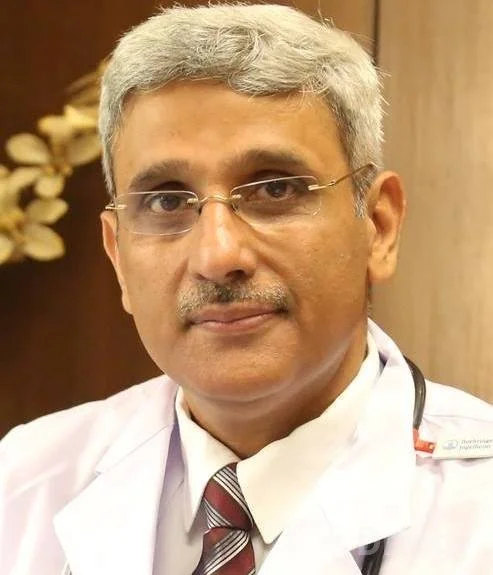
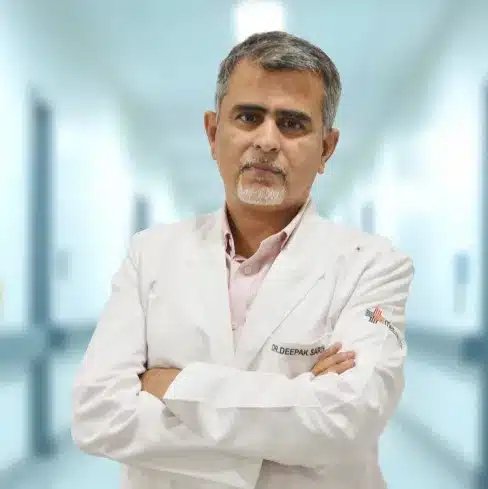
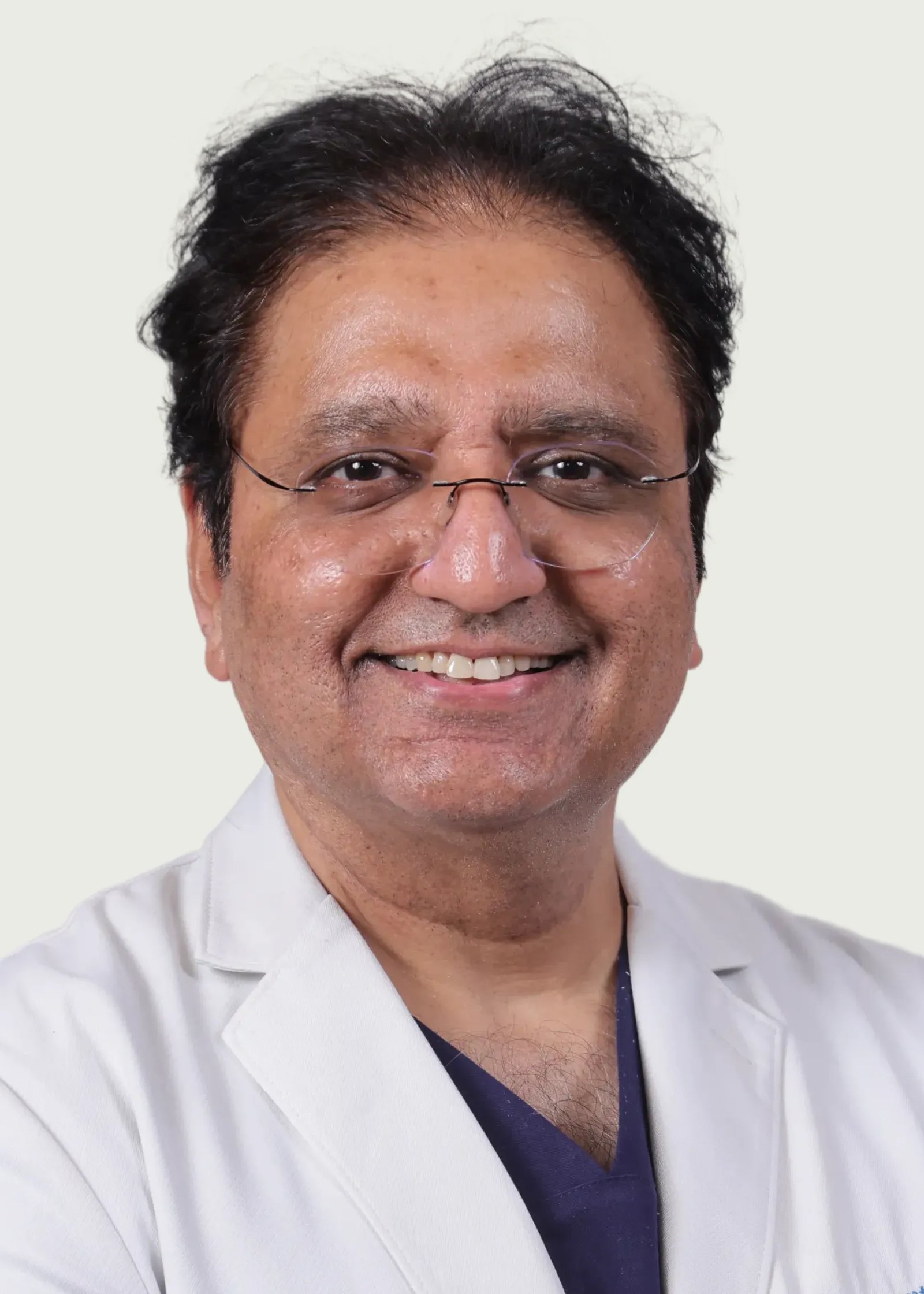
Senior consultants treating this condition at our partner hospitals.
Where Orthopedic & Joint Replacement is done
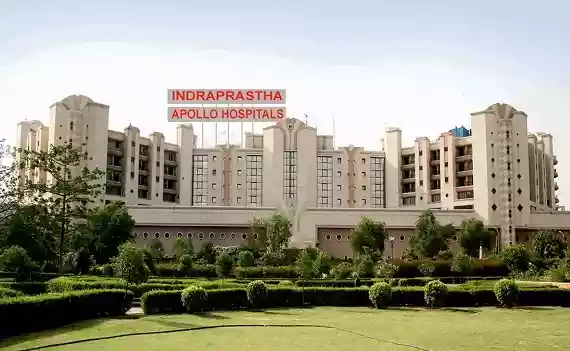
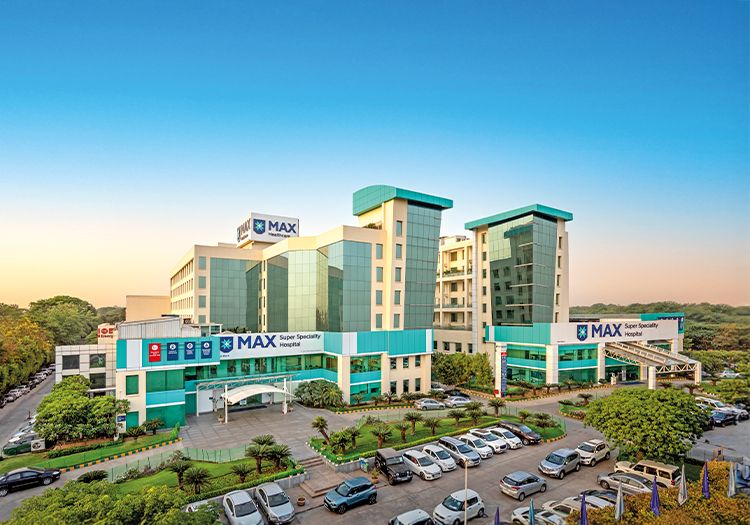
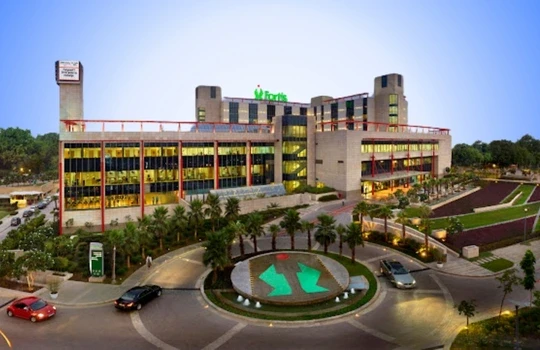
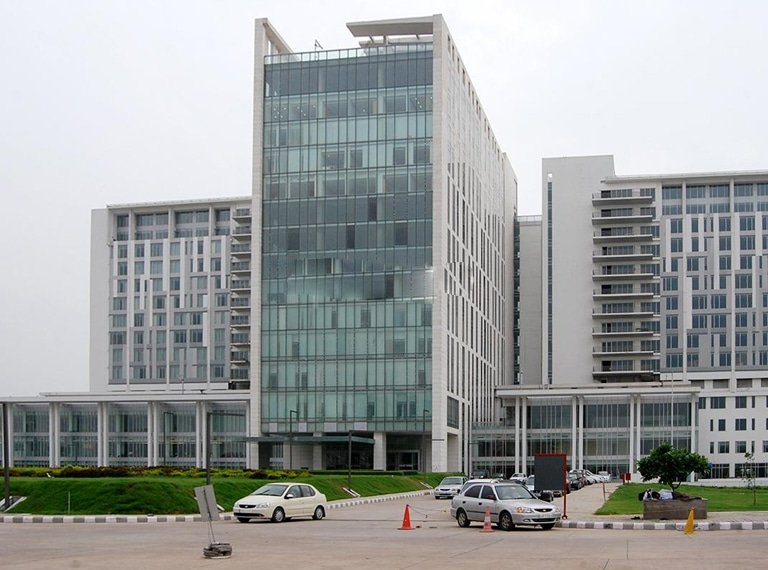
JCI and NABH accredited hospitals with dedicated international patient desks.
Frequently asked questions on Orthopedic & Joint Replacement
Question not answered here? Ask us directly — a case manager replies within 24 hours.
Find out what your treatment would cost
A senior specialist reviews your reports and sends a written plan within 24 hours. Free, with no obligation.